
The Fed Pauses Rate Cuts Amid Resilience Signals

The Federal Reserve kept its benchmark interest rate unchanged at 3.5%–3.75%, signaling a more optimistic view of the U.S. economy. The statement highlighted solid economic growth and early signs of stabilization in the unemployment rate, reducing the urgency for near-term rate cuts. While two members voted in favor of a reduction, the majority opted for […]
Global outlook: growth and inflation in focus
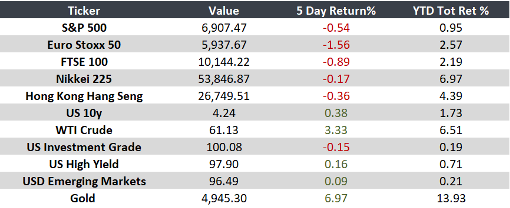
Week of January 19–23 Global markets reflect a balance between resilient growth, easing inflation in some regions, and persistent pressures in others, shaping monetary policy expectations and economic activity in 2025. United States Q3 GDP was revised up to a 4.4% annualized rate, driven by exports, business investment, and strong consumer spending. The Federal Reserve is expected to keep rates at 3.50%–3.75% this quarter, reflecting a cautious stance amid mixed economic data. Europe Eurozone inflation closed 2025 at 1.9%, below the European Central Bank’s 2% target. Germany’s economic confidence improved after several difficult quarters, while the United Kingdom continues to face persistent inflation pressures that complicate monetary policy decisions. Japan Inflation eased to 2.1% year over year in December. Lower energy prices offset underlying pressures, although core inflation remains above the Bank of Japan’s target, maintaining uncertainty about future monetary adjustments. China GDP grew 4.5% in the fourth quarter, weighed down significantly by the real estate sector. Weak consumption contrasts with a late-year rebound in industrial production, reflecting an uneven economic landscape that requires targeted stimulus measures. Argentina Economic activity fell 0.3% year over year in November, its first contraction in 14 months, despite solid performance in agriculture and mining sectors. The economy shows signs of weakness in other key sectors. Brazil Business confidence improved slightly but remains in pessimistic territory. Concerns persist about the pace of the domestic economic recovery, with worries about sustained medium-term growth. Mexico Inflation rose in the first half of the year, while consumption remained strong, supported by higher retail sales and e-commerce growth. The consumer dynamics contrast with moderation in other economic indicators. Key upcoming events “The big money is not in the buying and selling, but in the waiting.” – Charlie Munger Monitor
The Peace Dividend Is Over: Rethinking Defense in Portfolios
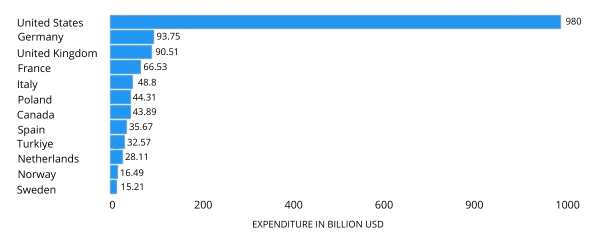
The peace dividend many of us were born into has expired. We’re entering a new geopolitical reality—one where defense investment can no longer be ignored, even in the most ethically constrained portfolios. Whether you’re in a public pension, a family office, or a university endowment, the relevance of defense—both from a return and a risk management perspective—is rising fast. The question is no longer if […]
Mixed outlook between inflation and growth
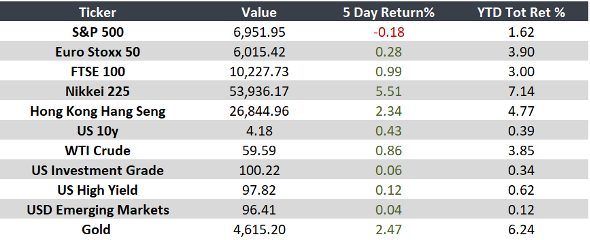
Week of January 12–16 Key data on inflation, consumption, and growth shape the start of 2026 This week, markets reacted to mixed signals: stable U.S. inflation, positive surprises in retail sales, and uneven growth across Europe. Meanwhile, China strengthened its global trade presence, and Argentina closed the year with its lowest inflation in eight years. United States Headline inflation held at 2.7% and core inflation at 2.6%. PPI rebounded to 3% due to energy. Retail sales rose 0.6%, pointing to a segmented consumption pattern. Projected GDP was revised to 5.1%. The earnings season begins with positive results from banks. Europe Germany exits recession with 0.2% annual growth, though industrial activity remains weak. The United Kingdom surprised with 1.4% annual growth. Trade association BGA expects a modest recovery in Germany’s wholesale sector in 2026. Japan The prime minister will dissolve Parliament and call early elections. The Producer Price Index fell to 2.4% year over year in December, the lowest level since May, in line with expectations. China Posted a record trade surplus of $1.19 trillion in 2025. The decline in exports to the U.S. was offset by strong growth in shipments to Africa and Asia. Argentina Inflation closed the year at 31.5%, its lowest level since 2017. In December, prices rose 2.8%, driven by transportation, housing, and food. Brazil Retail sales increased 1.3% year over year in November. While positive, they remain below the historical average. Mexico The World Bank lowered its 2026 growth forecast to 1.3%. Fixed investment fell 5.5% year over year in October, although residential construction grew 13.5%. Key upcoming events “The stock market is a device for transferring money from the impatient to the patient.” – Warren Buffett Monitor
U.S. core inflation cools further
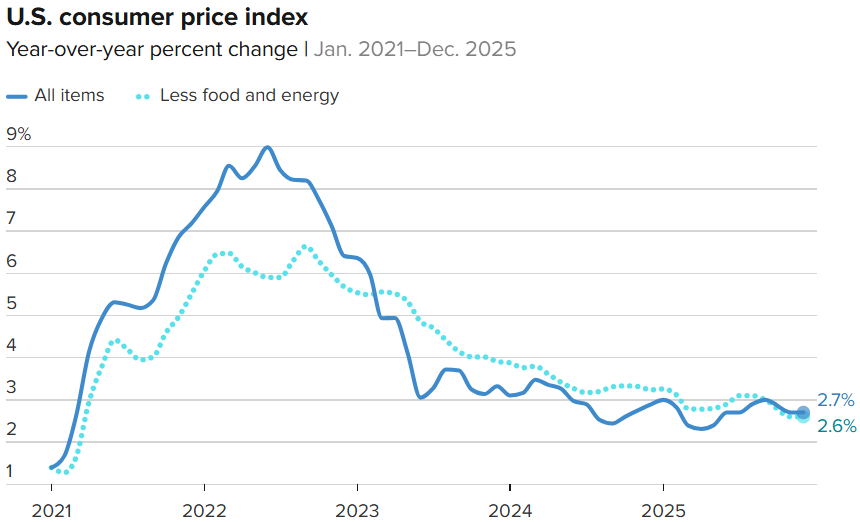
U.S. core inflation came in softer than expected in December, reinforcing the view that underlying price pressures are gradually easing. Core CPI rose just 0.2% month over month and 2.6% year over year, both below consensus, pointing to a continued normalization of inflation dynamics. Still, headline inflation remains at 2.7%, meaning price stability has not […]
Global Economic Outlook: Mixed Signals
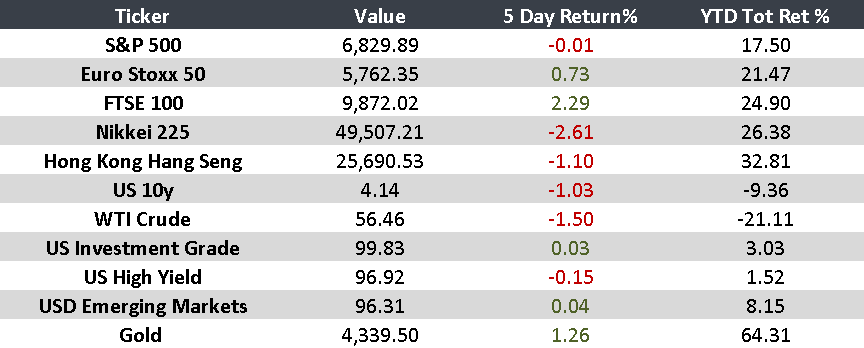
Week December 15–19 In a relatively calm week, employment and consumption indicators provided key signals across major economies. Central bank decisions continue to reflect a cautious, data – dependent approach, while global economies show divergences between production and consumption that reinforce the need for selective analysis heading into 2025. United States Europe China Argentina Brazil Mexico “The first rule of compounding: Never interrupt it unnecessarily.” — […]
Fed splits opinions and key data ahead
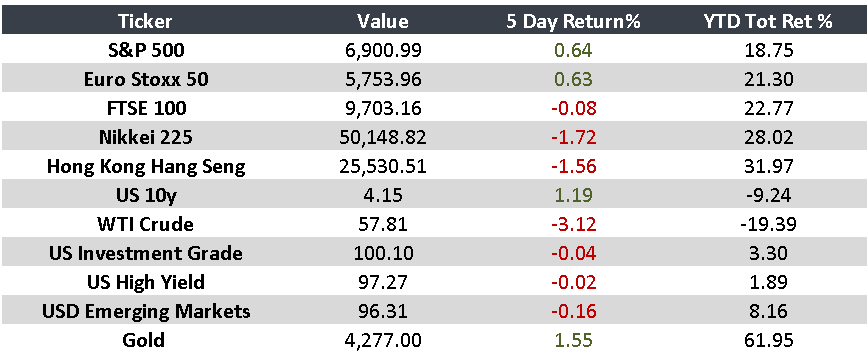
Week December 8–12 Markets reacted to the Federal Reserve’s latest rate cut amid a set of mixed signals on inflation, production, and employment across major economies. The week was shaped by U.S. labor data, an industrial rebound in Europe, and contrasting dynamics in Asia and Latin America, reinforcing a cautious outlook for monetary policy heading into […]
Fed: Mixed Signals After the Latest Rate Cut
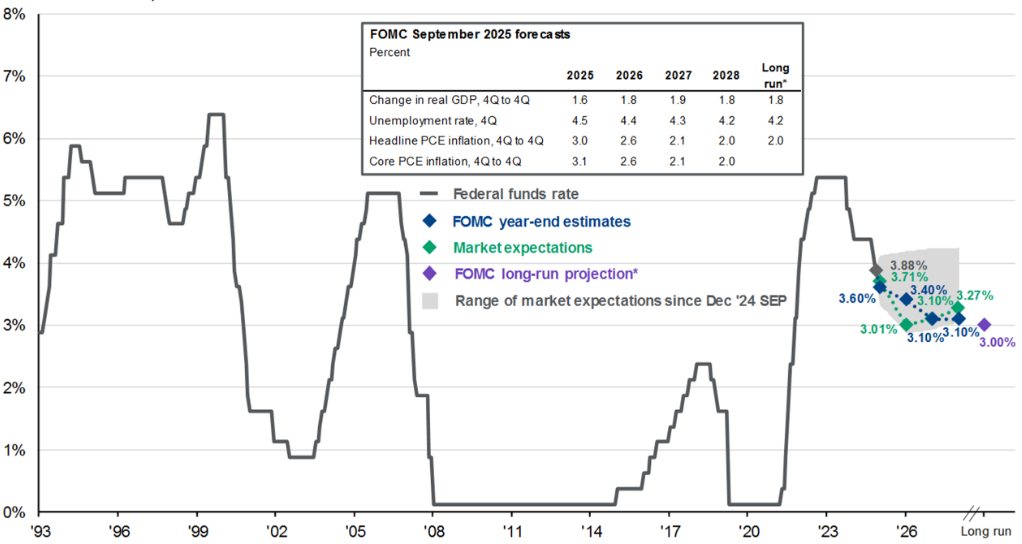
The Federal Reserve delivered its third consecutive rate cut, lowering the federal funds rate to a range of 3.50%–3.75%. While the move was widely anticipated, the accompanying statement revealed rising uncertainty about the policy path ahead. The committee showed an unusual split between members focused on labor-market weakness and those still concerned about persistent inflation […]
Mixed signals: weak manufacturing, moderating labor data, and rising expectations of rate cuts
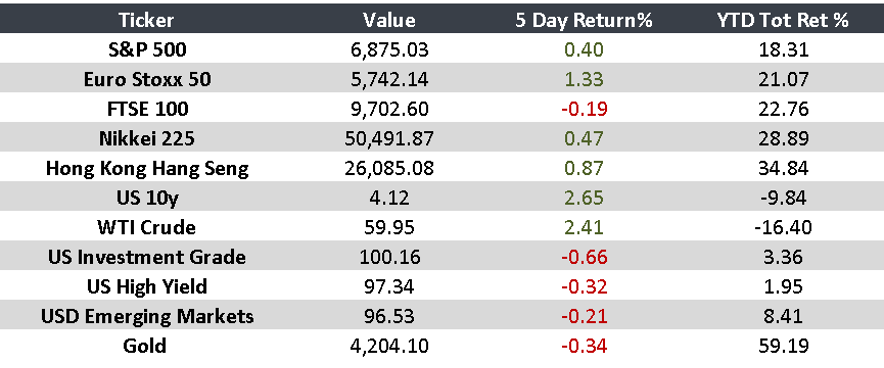
Week: December 1–5 Markets ended the week focused on the persistent weakness in global manufacturing activity and the continued loss of momentum in the U.S. labor market. In this environment, expectations for a potential interest rate cut before year-end strengthened. Europe and Asia showed mixed signals, while Latin America posted contrasting results across growth and income […]
Is the Santa Claus Rally real?
A seasonal rally or just a myth? The “Santa Claus Rally” describes a historical pattern: markets tend to rise during the final days of December and early January. We analyze its consistency and what to expect heading into 2025. In the financial world, the “Santa Claus Rally” describes a historical pattern: markets tend to rise […]
